Before the Enforcement Letter: A Structured Approach to Time to Pay in 2026-27
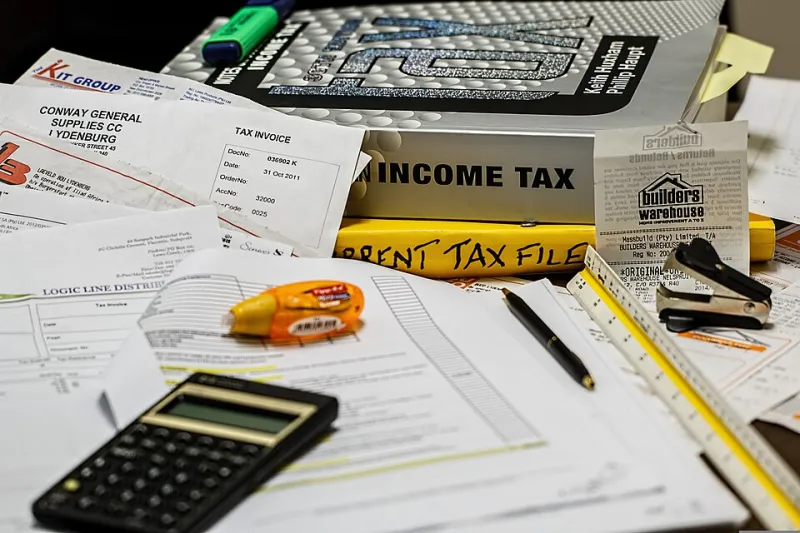
Photo: stevepb, CC0, via Wikimedia Commons
A self assessment bill that cannot be met in full is rarely a matter of extravagance. More often it is a timing problem: a first year of self-employment, a one-off disposal, a client who paid late, or a payments on account system that assumed this year would resemble the last. The tax system, however, treats a missed deadline as though the cause were irrelevant. What changes the outcome is not the reason for the shortfall but the date on which HMRC is told about it.
With the return for the year to 5 April 2026 due by 31 January 2027, the practical question for anyone facing a shortfall is not whether they can pay in full, but how quickly they can turn an unmanaged debt into an agreed plan. This article explains how that conversation works.
Why the call is cheaper than the silence
HMRC's collection process is automated and impersonal. A return is filed, a liability is calculated, a payment is not received, and a sequence of letters begins. Each stage of that sequence carries a cost that a telephone call in November or December would usually have avoided.
The calculation is straightforward. A late payment penalty of 5 per cent of the unpaid tax applies at 30 days, again at six months, and again at twelve months. On a £9,000 bill, that is £450 at the end of February 2027 for doing nothing except hoping. Interest continues to run in the background either way, but penalties are largely a function of how long a debt remains unexplained.
What a Time to Pay arrangement actually is
A Time to Pay arrangement is a formal agreement to settle a tax debt by instalments. It is not a discount, a write-off, or a deferral of the underlying liability. The tax remains due in full; only the schedule of payment changes.
Arrangements are agreed case by case. HMRC will look at the size of the debt, your income and essential expenditure, your other commitments, and whether you hold assets that could reasonably be realised. A plan that leaves you unable to meet rent, utilities and food will not be accepted, and one that ignores accessible savings will be questioned. The usual expectation is that a plan runs for a matter of months rather than years, although longer arrangements are agreed where circumstances justify them.
File first, negotiate second
A common and expensive misunderstanding is that a return need not be submitted until the tax can be paid. It must. The obligation to file is separate from the obligation to pay, and a late return attracts its own £100 penalty, followed by daily and percentage charges if the delay continues.
Submitting the return establishes the figure that both sides are discussing. Without it, no arrangement can be made. If you are close to the deadline and your records are incomplete, file on the best information available and correct it later; an estimated figure that can be amended is a far better foundation for a payment plan than an unfiled return.
The information to have in front of you
HMRC advisers work from a script, and the call goes more smoothly if you supply the numbers before you are asked for them. Have ready:
- your Unique Taxpayer Reference and National Insurance number;
- the amount owed, broken down between the balancing payment and any payments on account;
- your monthly income, net of tax, and your household's essential outgoings;
- details of savings, investments and any assets that could be sold;
- other debts and existing credit commitments, with balances and monthly costs;
- a specific proposal: an amount per month and the number of months.
A worked proposal is the single most useful thing you can bring to the call. "I can offer £260 a month for eleven months, beginning on 1 February" is a proposition that can be accepted or adjusted. "I cannot pay" is not.
Framing the conversation
The Self Assessment payment helpline can be reached on 0300 200 3822. When you call, state the position plainly and early: what you owe, why the shortfall arose, what you can afford, and when the first instalment can be made. Avoid over-explaining the circumstances; the adviser needs the facts that affect affordability, not a narrative.
Expect to be asked whether you could borrow to pay in full. It is a standard question, and answering it honestly — including the cost of any borrowing you have considered — is part of the assessment rather than a trap. If your income has fallen and the second payment on account due on 31 July 2027 looks unmanageable, raise that in the same call and ask about reducing it, formally, using SA303.
How interest and penalties behave under a plan
Two things are worth being clear about before you agree terms. First, interest is not suspended. Late payment interest, charged at the Bank of England base rate plus four percentage points, continues to accrue on the outstanding balance until it is cleared. A plan reduces the penalty exposure; it does not eliminate the interest cost.
Second, penalties are avoided only if the arrangement is agreed and then honoured. An arrangement made before the penalty date normally prevents the 5 per cent charge from being applied, but a defaulted instalment can bring the plan to an end and reinstate the enforcement process, sometimes with the original penalties attached. The value of the arrangement therefore depends entirely on the realism of the monthly figure.
Self-serve plans, and when to speak to a person
Where the debt is below £30,000, the return has been filed, and the plan can be set up within 60 days of the due date, HMRC's online service will usually produce an arrangement without a call. It suits straightforward shortfalls and offers instalments over up to twelve months.
Speaking to an adviser is the better route where the debt is larger, where other tax liabilities are involved, where you have defaulted on a previous plan, or where the arrangement needs to run beyond a year. It is also the right route if you simply want the terms confirmed in writing before committing.
Recognising a scam in the final weeks
Deadline season brings a predictable wave of fraudulent contact. HMRC does not demand payment by WhatsApp, does not ask for gift cards or cryptocurrency, does not threaten immediate arrest by telephone, and does not require you to move money to a "safe account". Text messages claiming a refund or a suspension of your tax account should be forwarded to 60599, and suspicious emails sent to [email protected]. Any arrangement worth relying on can be seen in your HMRC online account and confirmed in writing.
If the plan stops working
A missed instalment is not the end of the matter, but silence afterwards is far worse than the default itself. Contact HMRC before the next instalment falls due and ask to vary the arrangement. Revised plans are common; abandoned ones are costly.
The broader lesson is that the tax system responds to information. A bill that is discussed in November is a budgeting exercise. The same bill left untouched until March becomes a penalty calculation, a letter trail, and considerably more stress than the original figure warranted.